06 October 2026
Dental Crowns Southgate CA for Front Teeth: Aesthetic Benefits
Presented by @riverzhrr542
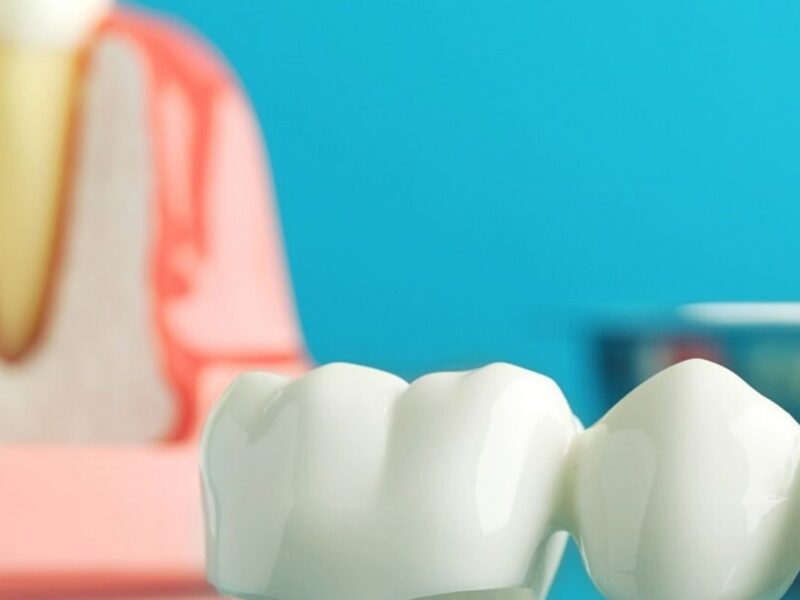
When a front tooth is chipped, darkened, worn down, or weakened after treatment, the cosmetic effect is immediate. People notice it when they smile, when they speak, and often before they say a word. In practice, front teeth carry a different kind of pressure than back teeth. They still need strength, of course, but appearance matters in a more exacting way. Shape, shade, translucency, surface texture, and symmetry all show up under natural light.
That is why conversations about crowns for front teeth tend to be more detailed than many patients expect. A crown is not simply a cap placed over a tooth. For visible teeth, it is a restoration that must blend with the face, the smile line, the neighboring teeth, and the patient’s age. A front crown that is technically sound but visually flat can still disappoint. A crown that looks beautiful but ignores bite forces can fail early. The best work respects both.
For patients researching Dental Crowns Southgate CA, the biggest question is often straightforward: will a crown on a front tooth actually look natural? In many cases, yes, provided the tooth is assessed correctly, the material is chosen carefully, and the final design is customized rather than rushed. Front tooth crowns can produce a dramatic aesthetic improvement, but the result depends on judgment as much as technique.
Why front teeth demand a different approach
A molar crown can hide a lot. It sits deep in the mouth, catches less light, and is judged more by function than by appearance. A front tooth crown lives under much harsher scrutiny. It is framed by the lips, seen in photographs, and compared directly to adjacent teeth. Even tiny mismatches become obvious.
This is where dental artistry enters the conversation. The best front crowns do not just match a single paint-chip shade. Natural teeth are layered. They often have subtle brightness near the middle, a little translucency near the edge, faint developmental lines, and minor variations that keep them from looking opaque or artificial. If a front crown is too white, too gray, too bulky, or too smooth, it can stand out in a way that draws attention for the wrong reasons.
There is also the issue of proportion. Front teeth are not interchangeable rectangles. The central incisors, lateral incisors, and canines each have a distinct role in the smile. Central incisors often dominate visually. Lateral incisors soften the transition. Canines bring contour and character. When a crown is placed on one of these teeth, the dentist has to think beyond the single unit and evaluate how it affects the whole smile.
Patients are often surprised by how much time can go into tiny refinements. A fraction of a millimeter at the edge can change how long or youthful a tooth appears. Slight contour adjustments can alter the way light reflects. That level of attention is not fussy, it is often what separates a believable result from an obvious one.
The aesthetic problems crowns can solve on front teeth
A well-made crown can do more than cover damage. It can restore confidence in a smile that has felt compromised for years. The most common aesthetic improvements involve color, shape, alignment illusion, and surface integrity.
Color correction is one of the clearest examples. Some front teeth darken after trauma or root canal treatment. Internal discoloration can be resistant to whitening, especially when it comes from changes within the tooth structure rather than surface stains. In those cases, a crown can create a more even and natural appearance, often more predictably than repeated bleaching attempts.
Shape correction matters just as much. Some front teeth are worn flat from grinding. Others have old fillings that chip around the edges, creating a patchwork look. A crown can restore proper contours, close minor irregular spaces, and rebuild anatomy in a way that looks intentional rather than repaired. In experienced hands, the tooth can appear healthier and more harmonious without looking overdone.
Crowns can also help when a tooth has extensive decay or a large fracture that makes conservative cosmetic options less reliable. Veneers and bonding are excellent in the right situation, but they require enough healthy tooth structure and favorable bite conditions. If a front tooth is structurally compromised, a crown may be the more stable and attractive long-term solution.
There is a psychological side to this that should not be brushed aside. Many people with front tooth damage adapt by smiling less, covering their mouth when talking, or angling their face in photos. Once the tooth is restored properly, the change is often larger than cosmetic. It changes how a person carries themselves.
What “natural-looking” really means
Patients often ask for a crown that is “perfect,” but natural teeth are rarely perfect in the manufactured sense. A natural-looking front crown usually balances attractiveness with realism. It should complement the smile, not dominate it.
Brightness is a good example. Extremely white crowns may sound appealing at first, especially if someone has seen dramatic smile makeovers online. But if the surrounding teeth are warmer or slightly translucent, one ultra-bright crown can look isolated. Unless the patient is doing broader cosmetic work, the better choice is often a shade that harmonizes instead of competes.
Texture also matters more than many people realize. Young teeth tend to reflect light differently than older teeth because enamel surface patterns change over time. A crown on a 25-year-old and a crown on a 65-year-old should not always be finished the same way. Matching the age character of the smile can make the restoration disappear visually.
Then there is translucency. Natural front teeth are not solid blocks of color. Light passes through the incisal edge to some degree, especially in healthy enamel. A crown Dental Crowns Southgate CA with no translucency can look flat. Too much translucency, on the other hand, can make it look weak or gray. The right balance depends on the neighboring teeth, the stump shade underneath, and the material chosen.
Materials make a visible difference
When discussing Dental Crowns Southgate CA for front teeth, material selection is one of the most important decisions in the process. Not every crown material behaves the same way aesthetically.
All-ceramic options are often favored for front teeth because they can mimic enamel more convincingly than metal-based alternatives. Within that category, there are important differences. Some ceramics are prized for lifelike translucency and beauty, while others offer more strength but a slightly different optical quality. The right choice depends on where the tooth sits in the smile, how much tooth structure remains, whether the patient grinds their teeth, and what color has to be masked underneath.
Porcelain fused to metal crowns were once a standard solution and can still function well, but they may present aesthetic limitations on front teeth in some cases. Over time, gum recession can reveal a darker margin near the gumline. Even when that does not happen, the way light interacts with a metal-supported crown is not always as natural as with a metal-free option. For some patients, this difference is minor. For highly visible central incisors, it can matter a great deal.
A heavily darkened tooth can complicate material selection. If the underlying tooth is very discolored, the dentist may need a crown with more opacity to block it out. That creates a balancing act. Too opaque, and the crown can lose vitality. Too translucent, and the dark foundation may show through. This is exactly the kind of case where planning and communication with the lab become critical.
Shade matching is more complex than picking a white tooth
People often imagine shade selection as a quick comparison against a chart. Real shade matching for front crowns is more nuanced. The dentist is evaluating hue, value, and chroma, but also edge translucency, internal characterization, and how the tooth appears under different lighting.
Natural daylight can reveal things overhead office lights may hide. Lip position during smiling can change what parts of the tooth are most visible. Dehydration during a long appointment can temporarily make teeth look lighter, which is one reason experienced clinicians move carefully rather than rushing to a shade decision.
If a patient plans to whiten their natural teeth, that timing should be discussed before the crown is made. Matching a new crown to old tooth color, only to bleach the surrounding teeth later, can create a mismatch that is expensive to correct. This is one of those practical details that seems small until it is not.
Photographs are often useful in aesthetic cases, especially when the front teeth are involved. They help document neighboring tooth character, smile dynamics, and subtle asymmetries that matter in the final result. For a single front tooth, even a very good crown can look wrong if it ignores the personality of the adjacent tooth.
A crown can improve the look of alignment, but only to a point
Patients sometimes hope a crown will make a front tooth look straighter, and in selected cases it can. Small rotations, minor shape discrepancies, and certain spacing issues can often be disguised with contour changes. A skilled crown design can create the illusion of better alignment without orthodontics.
Still, there are limits. If a tooth is significantly out of position, a crown alone may require too much reduction or result in a shape that looks bulky. That is not good aesthetic dentistry, and it is not good biology. Sometimes the better answer is to move the tooth first, then restore it more conservatively. Not every patient wants orthodontic treatment, but it should at least be part of an honest discussion when the alignment issue is substantial.
This is where restraint matters. Over-correcting one tooth can create a different problem, especially in the front. Natural smiles are coordinated systems. The best results usually come from respecting that system rather than forcing a single tooth to do too much.
The temporary crown tells an important story
Many patients focus on the final crown, but the temporary phase can be surprisingly informative, especially for front teeth. A well-made temporary crown can preview length, shape, and speech changes before the final restoration is delivered. It can reveal whether the tooth feels too long, catches the lip, or affects certain sounds.
For visible front teeth, this trial period can be valuable. Patients sometimes discover preferences they could not have described in abstract terms. They may realize they want the edge slightly softer, the tooth a touch shorter, or the contour less prominent. These are not signs of indecision. They are part of customizing a restoration that will sit in the most visible part of the smile for years.
Temporary crowns also give the gums time to respond. The way tissue frames the final crown can influence the overall cosmetic result. If the margins are not managed well, even a beautifully made crown can look off because the gumline does not support it.
Gum health shapes the final aesthetic result
A front crown never exists in isolation. The surrounding gum tissue is part of the finished appearance. Healthy, stable gums create a natural frame. Inflamed or uneven tissue can make even a high-quality crown look artificial.
This is one reason why crown timing matters. If someone has active gum disease, poor plaque control, or significant tissue irritation, it may be wise to address those issues first. Cementing a front crown into an unhealthy environment can compromise both appearance and longevity.
Gum recession deserves special mention. When gums recede, more of the tooth or crown margin may become visible. For front teeth, this can expose transitions that were hidden at placement. The risk is not the same for every patient, but it is worth discussing, particularly when older metal-based crowns are being replaced or when tissue levels are already uneven.
In some cases, patients blame the crown itself for an unattractive result when the real issue is tissue asymmetry. If one front tooth has a higher gumline than the other, replacing the crown alone may not fully solve the cosmetic problem. That does not mean treatment is impossible. It means proper diagnosis has to come before promises.
When a veneer may be better, and when a crown is the wiser choice
Not every front tooth cosmetic problem calls for a crown. Veneers conserve more natural tooth structure in many cases and can produce excellent aesthetic outcomes for discoloration, minor shape issues, and some chips. Bonding is even more conservative and can work well for small corrections.
A crown becomes the stronger option when the tooth is already heavily filled, fractured, root canal treated, or structurally weakened. If there is Dental Crowns Southgate CA not enough sound tooth left to support a veneer predictably, preserving appearance by sacrificing durability is usually a mistake. Patients rarely appreciate that distinction at first because veneers carry a reputation for beauty, but in the wrong case they can lead to repeated repairs or failure.
There is no virtue in choosing the least invasive option if it is not appropriate for the tooth. The goal is not minimal treatment at any cost. The goal is the right treatment for the clinical reality.
Questions worth asking before committing to a front crown
A thoughtful consultation can prevent many disappointments. Patients do not need to speak like dentists, but they should understand what factors will shape the final look.
- Ask what crown material is being recommended for your specific front tooth, and why.
- Ask whether the underlying tooth color could affect the final appearance.
- Ask if whitening should be completed before shade matching.
- Ask how the temporary crown will be used to preview shape and length.
- Ask what alternatives, such as bonding or veneers, are realistic in your case.
These questions do not slow the process down in a bad way. They help align expectations with what dentistry can actually deliver.
Common reasons patients replace older front crowns
Many front crowns are replaced not because they have broken, but because they no longer look right. Dentistry ages along with the mouth. A crown that was acceptable fifteen years ago may now stand out due to gum changes, surrounding tooth wear, or improvements in ceramic materials.
A common scenario involves an older crown that appears opaque compared with neighboring teeth. Another is a dark line near the gumline after mild recession. Sometimes the issue is simpler, the shape just does not match the smile anymore. Small asymmetries become more noticeable after adjacent dental work or cosmetic whitening.
Replacement can be highly worthwhile when the existing crown is the weak link in an otherwise healthy smile. Still, replacement should be done carefully. Every time a tooth is retreated, the dentist must preserve as much remaining structure as possible. Cosmetic goals are important, but so is long-term tooth survival.
Longevity and beauty have to coexist
A beautiful front crown that chips quickly or creates gum problems is not a success. The best aesthetic dentistry respects function. Bite forces, grinding habits, edge-to-edge contact, and parafunctional wear patterns all influence how a crown should be designed.
For patients who clench or grind, the front teeth can take more stress than they realize. A crown that is too thin at the edge may be at higher risk. A crown that is shaped without considering opposing teeth may chip or feel awkward. Sometimes a night guard becomes part of protecting the investment, particularly if there is visible wear elsewhere in the mouth.
This functional side does not reduce the value of aesthetics. It protects it. Beauty that lasts usually comes from careful engineering behind the scenes.
What patients in Southgate should expect from the process
Whether someone is exploring Dental Crowns Southgate CA after an accident, an old filling failure, or long-standing cosmetic dissatisfaction, the process should feel individualized. Front teeth are rarely cases for assembly-line dentistry.
A typical course involves evaluation, imaging, discussion of options, tooth preparation when indicated, a temporary crown, and a final cementation visit. In more demanding cosmetic cases, there may be additional shade analysis or communication with the dental laboratory. If the smile is especially visible and expectations are high, that extra effort is often justified.
Patients should also expect honest trade-offs. If a dark underlying tooth must be masked, the dentist may explain that complete mimicry of a neighboring untouched incisor is challenging, though still very achievable aesthetically. If the bite is aggressive, the ideal material choice may be slightly different than the most translucent option on paper. These are not compromises of quality. They are examples of good judgment.
The strongest results usually come from a team that treats front crowns as both restorative and cosmetic work. That mindset tends to produce better planning, better communication, and better final outcomes.
Small details that often decide whether a crown disappears into the smile
A front crown is judged in seconds, but its success is built through details. The angle of the line angles, the softness of the embrasures, the polish of the surface, and the way the edge meets the lower lip all influence whether the crown reads as natural.
Patients can sense these details even if they cannot name them. They may say a crown looks “too big,” “too fake,” or “not like my other tooth.” Usually, there is a real visual reason behind that reaction. Good clinicians listen for it rather than dismissing it. Sometimes a tiny contour adjustment transforms the result.
This is why patient input matters. A crown can be biologically acceptable and artistically unfinished at the same time. The best outcomes happen when technical standards and patient perception are treated as equally important.
A front tooth crown should do more than cover a problem. It should restore normalcy. It should let the eye move across the smile without stopping at the restoration. When that happens, the crown has done its job well. It has given back strength, repaired damage, and improved appearance without announcing itself. For anyone considering a front tooth restoration, that quiet success is often the real aesthetic benefit.
Simple Dental South Gate
Address: 8617 California Ave, South Gate, CA 90280
Phone number: +13236896118
FAQ About Dental Crowns Southgate CA
How much do crowns cost per tooth?
In the United States, a single dental crown typically costs between $800 and $2,500 per tooth without insurance. The ultimate out-of-pocket price depends heavily on the crown material, the location of the tooth, and whether you have dental insurance coverage.
What is the downside of crowns on teeth?
The primary downside of a dental crown is that the procedure permanently removes natural tooth enamel to shape the tooth for the cap.
Why do dentists push for crowns?
Dentists recommend crowns because a large filling cannot provide enough strength when a tooth loses a major portion of its structure or faces heavy chewing pressure.