06 October 2026
The Advantages of Same-Day Dental Crowns Southgate CA
Presented by @riverzhrr542
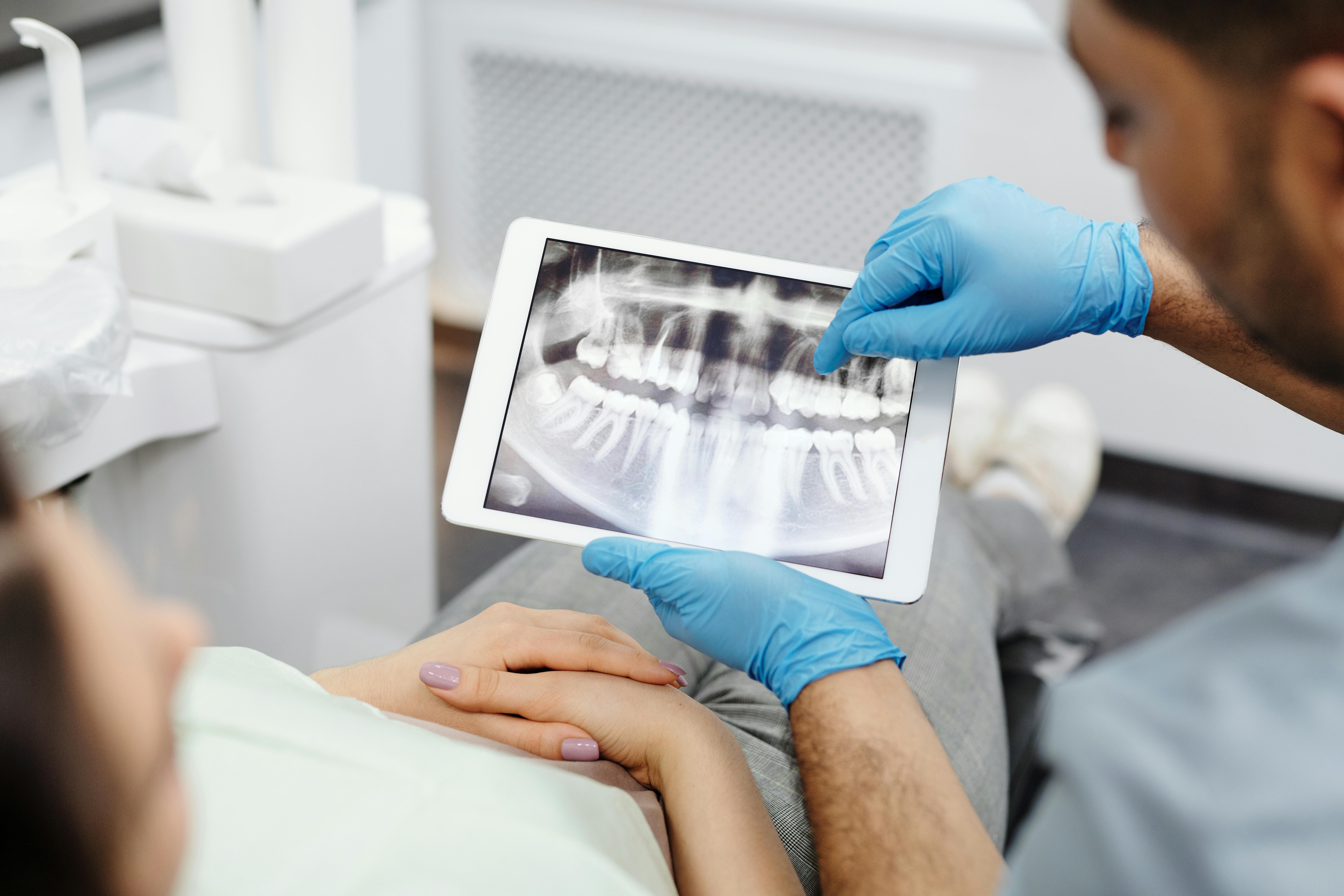
A dental crown solves a simple problem with surprisingly high stakes. When a tooth is badly cracked, heavily filled, worn down, or weakened after a root canal, it often needs full coverage to survive everyday chewing. The old model for getting that protection usually meant two visits, a temporary crown, numbness twice, and one to three weeks of waiting. Same-day crowns changed that experience in a meaningful way.
For many patients looking into Dental Crowns Southgate CA, the appeal starts with convenience. That is true, but convenience is only part of the story. A well-made same-day crown can reduce treatment delays, protect a vulnerable tooth sooner, lower the odds of temporary crown problems, and make the whole process feel less disruptive to work, school, and family life. In a busy community, that matters.
The best way to understand the value of same-day crowns is to look past the marketing and focus on what actually happens in the chair, what the technology does well, where the limitations are, and which patients tend to benefit most.
Why the timeline matters more than people think
When a dentist recommends a crown, the tooth is rarely in ideal shape. In many cases it has a large failing filling, a fracture line, extensive decay that has already been removed, or a structure weakened by prior treatment. Once that tooth is prepared for a crown, it is more exposed and more dependent on the final restoration for strength and seal.
With a traditional two-visit approach, the prepared tooth is protected with a temporary crown while the permanent one is fabricated at a dental lab. Temporaries do their job, but they are still temporary. They can loosen, crack, trap food, irritate the gums, or feel slightly off when you bite. Some patients tolerate that period without trouble. Others end up calling the office because the temporary came off during dinner or started shifting over a weekend.
That is where same-day crowns offer a practical advantage. If the final crown is designed, milled, adjusted, and bonded in one appointment, the tooth moves from vulnerable to restored without the in-between phase. For a patient with a cracked molar who has been chewing on one side for weeks, that faster transition is not a luxury. It can be the difference between stabilizing the tooth now and risking more damage while waiting.
What a same-day crown actually is
A same-day crown is typically made using digital dentistry. Instead of taking a traditional impression with putty-like material, the dentist scans the tooth with an intraoral camera. That digital model is used to design the crown on software, and an in-office milling unit carves the crown from a ceramic block. The restoration is then tried in, adjusted, polished or glazed, and bonded or cemented in place.
From the patient’s perspective, the appointment often feels smoother than expected. There is still tooth preparation, and there is still careful work involved. The difference is that the workflow stays in one place. You do not leave wearing a temporary and return weeks later hoping the final fit is right.
That control over the entire process is one reason many dentists appreciate same-day systems. When the scan, design, fit, and bite are evaluated in real time, adjustments can be made immediately. If a contact is too tight or an edge needs refinement, it can be addressed before the patient leaves.
Fewer appointments, less disruption
This is the most obvious benefit, and it remains one of the strongest. A same-day crown compresses what used to take two visits into one longer appointment. For parents, shift workers, commuters, and anyone with limited flexibility, that can remove a major barrier to care.
In Southgate, where many people balance work obligations with family schedules, dental treatment often gets postponed for practical reasons, not because the problem seems unimportant. People can live with a broken tooth longer than they should simply because arranging two visits feels difficult. When that crown can be completed in one day, acceptance of treatment often improves.
There is also the issue of time off. A two-visit crown usually means coordinating transportation, school pick-up, work coverage, or at least two interruptions to the week. Same-day treatment cuts that down. Even if the appointment itself is longer, many patients would rather carve out one dedicated block of time than reset their schedule twice.
No temporary crown is a bigger advantage than it sounds
Temporary crowns are not failures. They are part of traditional care and often work fine. Still, anyone who has worn one knows the common annoyances. They can feel bulkier than the final crown. The margin may not be as precise. Flossing has to be done carefully. Sticky foods become a hazard. If the temporary loosens, the tooth can turn sensitive fast.
I have seen patients who did everything right and still had a temporary dislodge because they chewed on a crusty piece of bread or woke up clenching at night. When that happens, it creates stress that has nothing to do with the quality of the eventual permanent crown. It is simply a weak point in the process.
Same-day crowns remove that weak point. The patient leaves with the definitive restoration already in place, which means no temporary cement, no waiting period, and no second injection solely to swap out the temporary for the final crown. For people with busy schedules or dental anxiety, that alone can make treatment feel much more manageable.
Digital scanning is often easier on patients
Traditional impressions still have a place, but many patients strongly prefer digital scans. Gag-prone patients especially notice the difference. Instead of sitting with a tray of impression material in the mouth while trying not to swallow or breathe too quickly, they experience a handheld scanner capturing images in sections.
That matters more than people expect. Comfort affects cooperation, and cooperation affects accuracy. A patient who is relaxed and breathing normally is easier to scan than a patient tensing against impression material and fighting a gag reflex. Digital scans also reduce some of the distortions that can happen when impression material pulls, tears, or sets imperfectly.
This does not mean every scan is effortless. Saliva control, limited opening, and deep margins can still make things technically demanding. But for many routine crown cases, digital impressions feel cleaner, simpler, and less claustrophobic.
Precision and consistency can be excellent
The common question is whether a same-day crown is as good as a lab-made crown. The honest answer is that it depends on the case, the material selected, the quality of the preparation, the bite, and the skill of the dentist handling the workflow. Same-day crowns are not automatically better. They are also not automatically a compromise.
When done well, they can fit beautifully.
Modern digital systems are capable of producing restorations with very good internal adaptation and contact relationships. Because the dentist evaluates the design and fit directly, refinements happen in real time. There is less back-and-forth. If the bite needs slight adjustment, it is addressed immediately. If the contour around the gumline needs smoothing, that can be done on the spot.
The direct control can be especially useful for single-unit crowns in straightforward posterior cases, where function, margin integrity, and bite stability matter more than highly layered esthetics. In those situations, same-day ceramic crowns often perform very well.
Faster protection for cracked or weakened teeth
One of the most practical reasons to consider same-day treatment is risk management. Teeth rarely fracture on a dentist’s schedule. A patient may arrive with a tooth that has been holding together by habit, not by strength. Once the old filling is removed and the tooth is prepared, the need for protection becomes more urgent.
A final crown placed the same day reduces the window during which that tooth remains at risk. That does not guarantee the tooth can always be saved. Some cracks extend too far or reveal deeper structural problems once treatment begins. Still, if the tooth is crownable, placing the definitive restoration promptly gives it the best immediate support.
This is especially valuable after root canal treatment. A back tooth that has had a root canal often loses moisture over time and becomes more brittle, but the bigger issue is usually structural loss from decay and access preparation. These teeth often need cuspal coverage quickly. Delays are not always catastrophic, but they are not ideal either.
Esthetics can be very good, with some case-by-case limits
Front teeth are where nuance matters. Same-day ceramic technology has improved significantly, and many anterior crowns can be made with attractive esthetic results. Shape, color, and surface finish can be customized chairside, and a skilled dentist can deliver a crown that looks natural in the smile.
Still, there are cases where a traditional lab crown remains the better choice. If a patient has demanding cosmetic goals, very translucent adjacent teeth, complex staining patterns, or needs multiple front restorations blended seamlessly, a ceramist in a lab may provide more artistic layering and characterization. That is not a flaw in same-day dentistry. It is a matter of matching the method to the case.
This kind of judgment matters when discussing Dental Crowns Southgate CA because patients deserve more than a sales pitch. The right answer is not always the fastest answer. The right answer is Dental Crowns Southgate CA the one that balances durability, appearance, tooth condition, and patient priorities.
The experience is often easier for anxious patients
Dental anxiety rarely comes from one thing. It usually builds from a cluster of stressors, the injection, the sound of preparation, the feeling of not knowing what happens next, the need to return for another appointment, and the fear that something will go wrong between visits.
Same-day crowns reduce several of those friction points. One appointment means one mental preparation cycle. There is no temporary to worry about. There is no second round of local anesthetic just to seat the final restoration. Patients who dread the anticipation of another visit often find the one-and-done format noticeably easier.
A patient once described it plainly after a same-day molar crown: the treatment itself was not fun, but the relief of being finished mattered more than anything else. That sums up the appeal for many people. Dentistry gets less stressful when fewer loose ends remain.
The local advantage in Southgate
In a city where daily life runs on timing, access matters. Same-day crowns are not only about technology. They are about keeping treatment realistic for working adults, caregivers, and patients who cannot afford repeated disruptions.
That local context shapes treatment decisions. In some communities, taking a morning off for dental care is an inconvenience. In others, it may mean lost wages, missed appointments elsewhere, or a scramble for childcare. Same-day dentistry works well because it respects those real constraints.
For patients searching for Dental Crowns Southgate CA, this is often the deciding factor. They are not necessarily looking for the newest gadget. They are looking for care that fits life without lowering standards.
Where same-day crowns shine the most
Some situations consistently benefit from chairside crown technology more than others.
- Single back teeth with large fractures or failing fillings.
- Teeth that need prompt full coverage after root canal treatment.
- Patients with limited time for multiple visits.
- People who have had trouble with temporary crowns in the past.
- Patients who gag easily during traditional impressions.
These are not the only good candidates, but they are common examples where the strengths of same-day treatment line up well with the clinical need.
The trade-offs worth discussing honestly
Same-day crowns are not ideal in every situation, and it helps to say that plainly. Long appointments can be tiring for some patients, especially those with jaw discomfort or limited ability to stay open. Certain complex esthetic cases may benefit from lab craftsmanship. Multi-unit cases or bridges may call for different planning. If a tooth margin extends deep under the gum, the scan and bonding process can become more technically demanding.
Material choice also deserves attention. Many same-day crowns are milled from strong ceramics that work very well, but the best material depends on where the tooth is, how much bite force the patient generates, whether they grind their teeth, and how much natural enamel remains. A heavy bruxer with a habit of fracturing restorations may need a different conversation than a patient restoring a premolar with moderate wear.
Cost can vary too. In some offices, same-day crowns are priced similarly to traditional crowns. In others, fees may differ based on technology and materials. The important question is not whether one method sounds more advanced. It is whether the proposed crown is appropriate, durable, and supported by good technique.
Questions worth asking before you commit
Patients do best when they understand the reasoning behind the recommendation. If a crown is needed, it is fair to ask how the office decides between same-day and lab-made restorations, what material is being used, and how bite issues or nighttime grinding will be managed.
A few useful questions can clarify the plan:
- Am I a good candidate for a same-day crown on this tooth?
- What material will you use, and why is it right for my bite?
- If esthetics are a priority, what are the realistic limits for this case?
- How long should I expect the appointment to take?
- What happens if you discover a crack extends deeper than expected?
Those questions do more than gather information. They reveal whether the treatment plan is thoughtful and individualized.
Longevity depends on more than the technology
Patients sometimes focus heavily on whether a crown is same-day or lab-made, but longevity usually comes down to fundamentals. The tooth must be diagnosed correctly. Decay and cracks have to be managed carefully. The preparation needs proper reduction and clean margins. The bite must be checked thoroughly. The cementation or bonding protocol matters. The patient’s habits matter too.
A beautifully milled crown will still fail early if the underlying tooth has an undetected crack extending below the gumline. A strong ceramic crown can still chip if someone clenches heavily and never wears the night guard that was recommended. Technology improves efficiency and can improve precision, but it does not replace judgment.
That is why the best same-day crown results usually come from offices that use the technology selectively and skillfully, not indiscriminately. The machine mills the restoration. The dentist still makes the hard decisions.
Recovery is usually straightforward
Most patients do well after a same-day crown. Mild gum soreness for a day or two is common, especially if the tooth needed extensive preparation or if the tissues were retracted to capture the margin clearly. The bite may feel slightly unfamiliar at first, but it should not feel high or unstable. If it does, a quick adjustment can usually fix it.
Sensitivity varies. Some crowned teeth feel normal almost immediately. Others remain mildly temperature-sensitive for a short period, particularly if the tooth was already inflamed before treatment. What matters is the trend. A little tenderness that fades is one thing. Throbbing pain or persistent pressure is another and should be evaluated.
Patients often appreciate that after one appointment they can return to normal habits with fewer restrictions than they would have during a temporary crown phase. That practical freedom is part of the appeal, even if it rarely shows up in advertising copy.
Why this option continues to gain traction
Same-day crowns have become popular for good reasons. They solve logistical problems, improve the patient experience, and can deliver strong clinical results when case selection is sound. They also align with what many patients actually want from dental care, which is treatment that is efficient without feeling rushed, modern without feeling experimental, and durable without unnecessary complexity.
For anyone exploring Dental Crowns Southgate CA, the key is not simply finding an office that offers same-day crowns. It is finding a dentist who knows when that option truly serves the tooth and the patient. When those pieces line up, the advantages are substantial: faster protection, fewer appointments, no temporary crown headaches, and a smoother path from diagnosis to restored function.
That is not hype. It is a practical improvement in the way crown treatment can be delivered.
Simple Dental South Gate
Address: 8617 California Ave, South Gate, CA 90280
Phone number: +13236896118
FAQ About Dental Crowns Southgate CA
How much do crowns cost per tooth?
In the United States, a single dental crown typically costs between $800 and $2,500 per tooth without insurance. The ultimate out-of-pocket price depends heavily on the crown material, the location of the tooth, and whether you have dental insurance coverage.
What is the downside of crowns on teeth?
The primary downside of a dental crown is that the procedure permanently removes natural tooth enamel to shape the tooth for the cap.
Why do dentists push for crowns?
Dentists recommend crowns because a large filling cannot provide enough strength when a tooth loses a major portion of its structure or faces heavy chewing pressure.